
Built to move a
room, and to
build a program.
Keynotes, grand rounds, and public talks. And when the talk lands, the harder work: building the program behind it.
Talks built to leave the room arguing about what to change first.
-
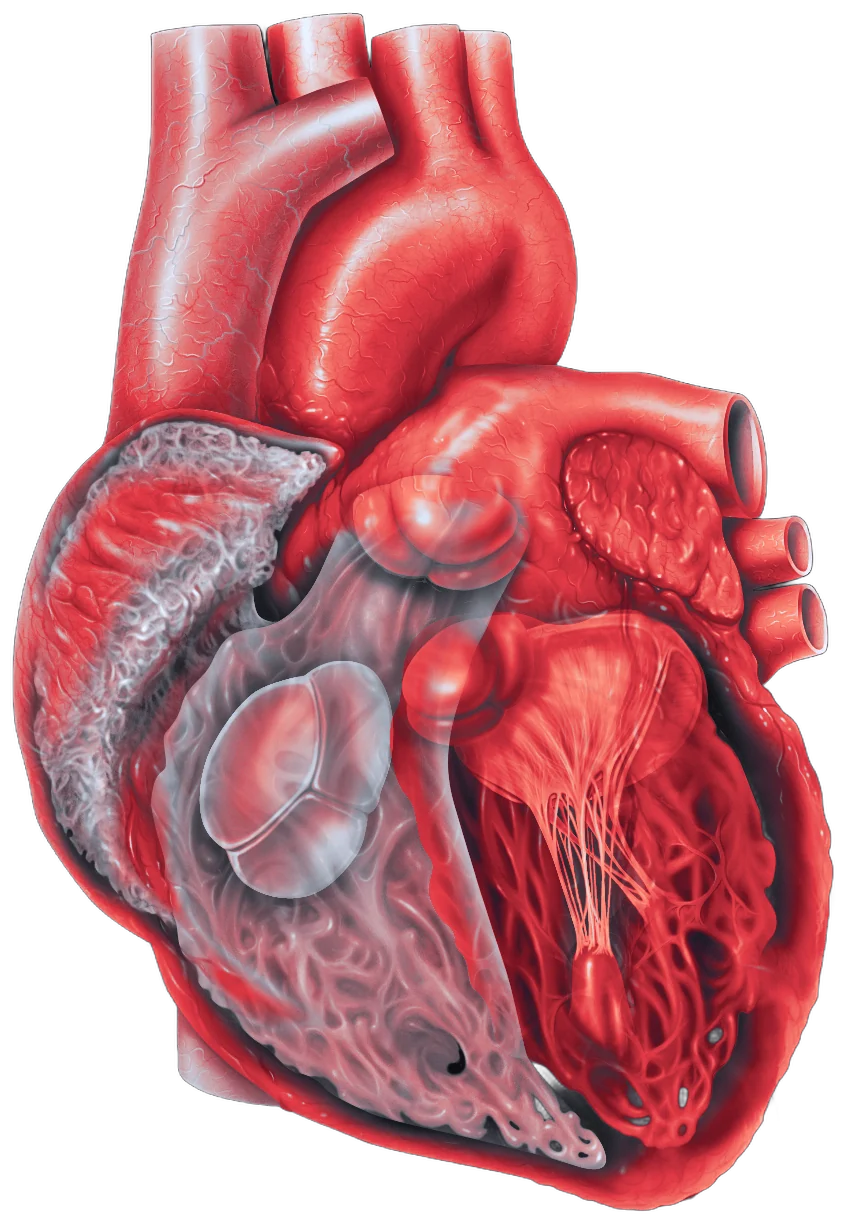
The Future of Heart Failure Care
-
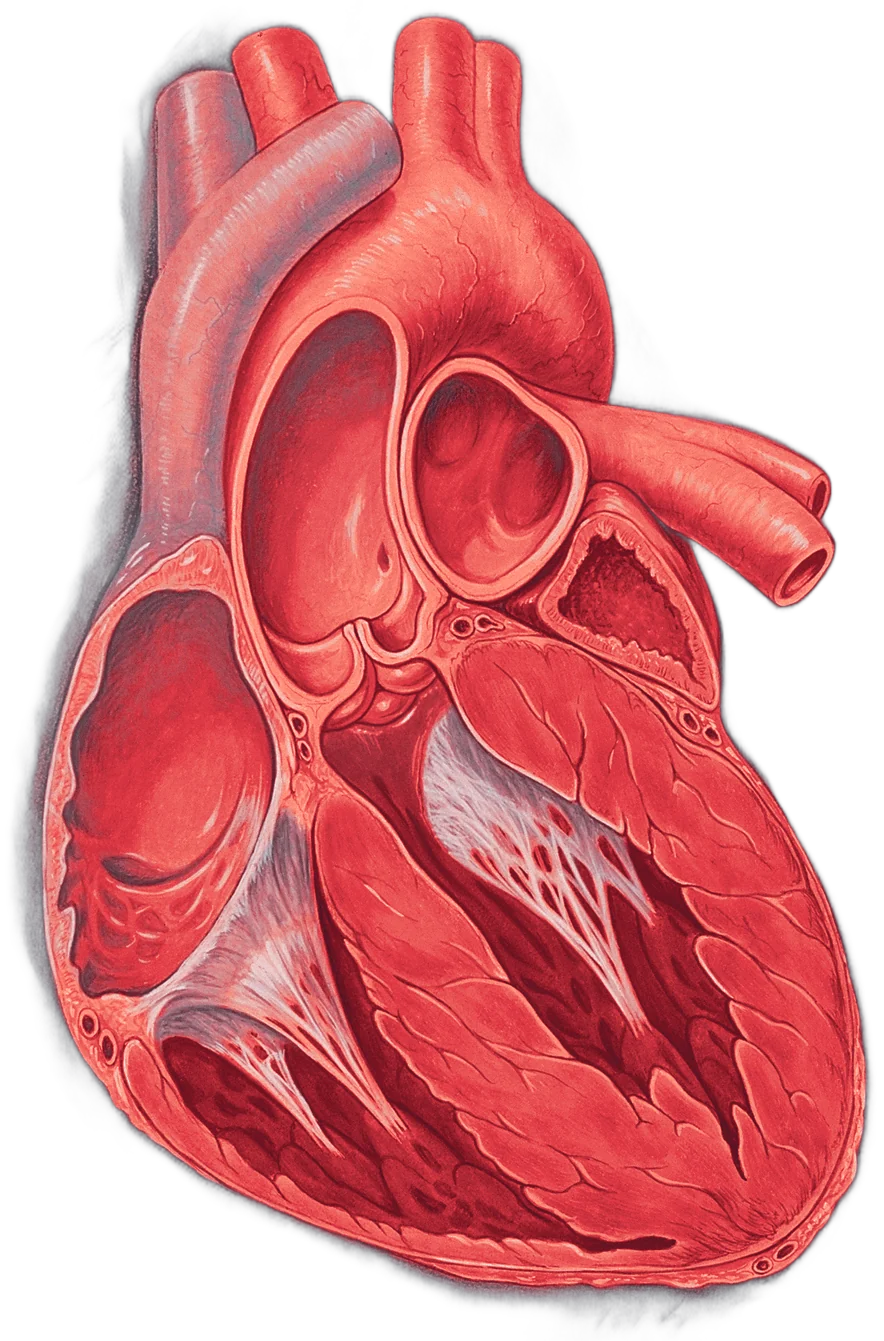
Cardiac Amyloidosis, The Time Is Now
-
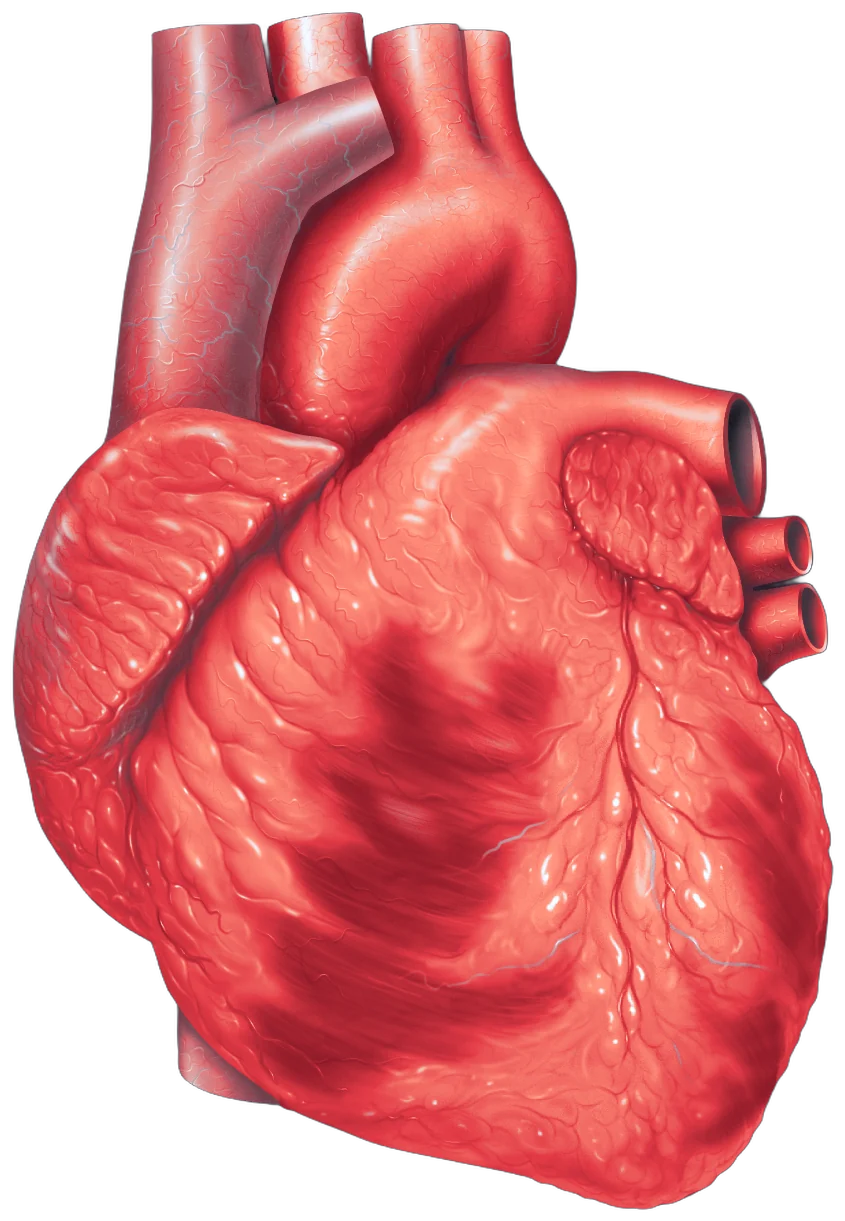
Improving Access to Advanced Cardiovascular Therapies
-
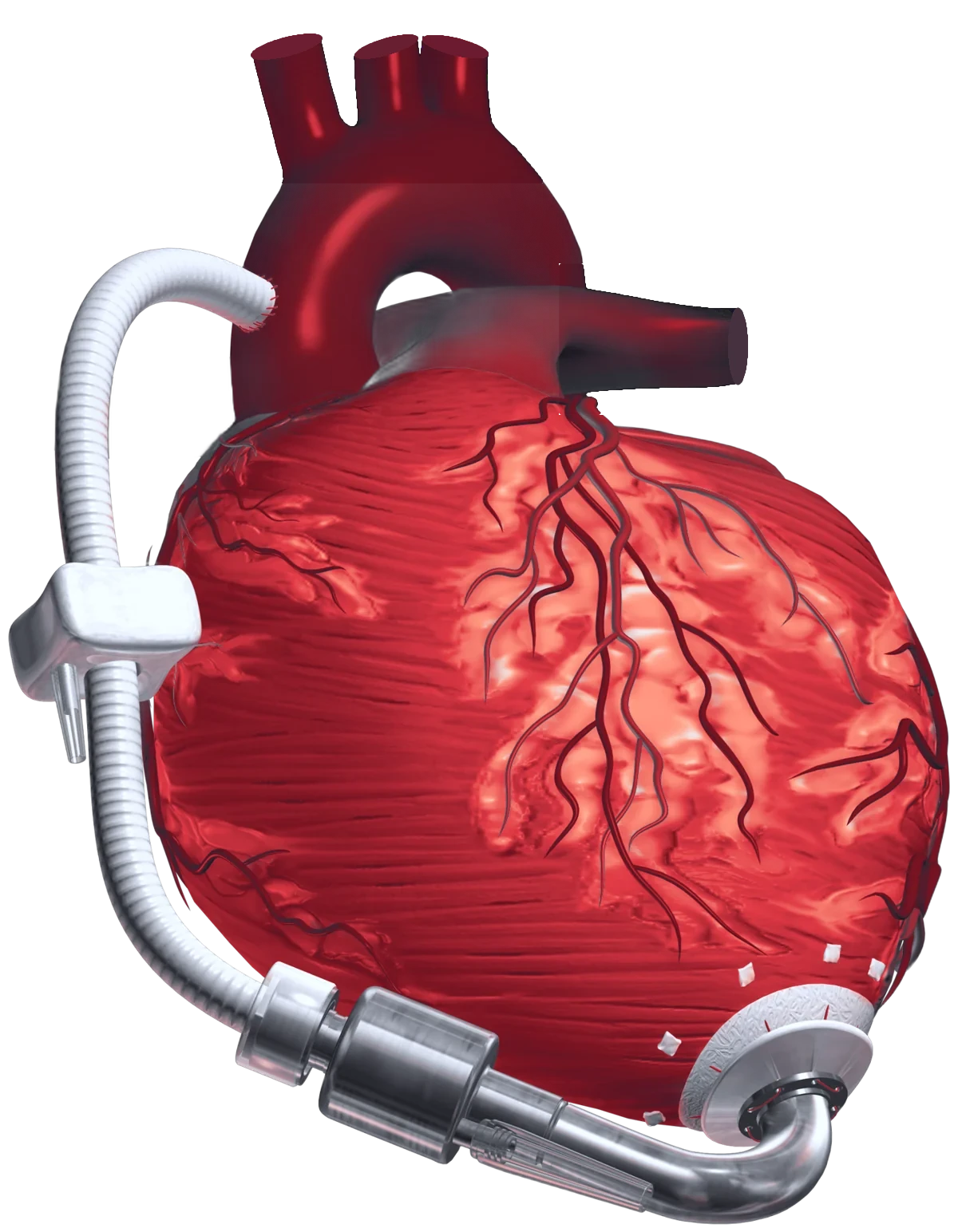
Cardiogenic Shock and Mechanical Circulatory Support
These are talks that have already left a room.
A selection of recent invited lectures and grand rounds, from international transplant meetings to state cardiology chapters.
Pick a city to see its talks.
-
Boston, MA 2 talks
- 2025
Patient Education: Transplants, VADs, and TikTok
ISHLT Annual Meeting
- 2025
Heart Failure Devices: Integration into Advanced Programs
ISHLT Annual Meeting
- 2025
-
Cleveland Clinic 1 talk
- 2025
hATTR-PN: The Range of Clinical Manifestations
Cleveland Clinic HF Symposium
- 2025
-
Dallas, TX 1 talk
- 2023
The Strongest Poor Prognostic Sign in Acute Decompensated Heart Failure
Baylor University Medical Center HF Symposium
- 2023
-
Washington, DC 1 talk
- 2022
Blood Volume Analysis in Advanced Heart Failure
HFSA Annual Scientific Meeting
- 2022
-
New York, NY 1 talk
- 2022
Intravascular Volume Analysis in LVAD Support
NASDAQ MarketSite, Times Square
- 2022
-
Tupelo, MS 1 talk
- 2022
Improving Heart Failure Outcomes Regardless of Ejection Fraction
ACC Mississippi Chapter
- 2022
-
Nashville, TN 1 talk
- 2021
Heart Failure Update: Innovations and Breakthroughs
ACC Tennessee Chapter
- 2021

What an audience of more than
650,000
taught me about teaching.
A feed will not sit through a lecture. Teaching at that scale forces one idea at a time, in plain words. That same clarity walks into every keynote.
Most heart failure patients who would benefit do not have access to advanced therapies.
The programs below exist because of this number.
62,000 appropriate candidates for advanced heart failure therapy in the United States.
- 88% remain untreated
- 6% receive an LVAD
- 6% receive a transplant
88 percent, 62,000 appropriate candidates for advanced heart failure therapy in the United States, remain untreated.
Sources: Abbott, data on file, Salesforce. United Network for Organ Sharing, OPTN national data. Abbott, data on file, 2019.
Helping health systems build the programs their communities are missing.
Under every one of them sits the same plumbing: referral trust, physician leadership, and the data to prove it is working. That gets built too.
-
Advanced Heart Failure Programs
The team, the pathways, and the standards a real heart failure service runs on.
-
Mechanical Circulatory Support Programs
From first hire to first implant, built to carry LVAD and temporary support safely.
-
ECMO Program Development
Standing up the cannulation, the coverage, and the protocols before the first call comes.
-
Cardiogenic Shock Programs
A shock team that moves faster than the panic, on a protocol everyone already knows.
-
Amyloidosis Centers of Excellence
The referral patterns, imaging, and follow-through that early diagnosis demands.
-
Pulmonary Hypertension Programs
Catching the pressure the right heart carries, and treating it before it wins.
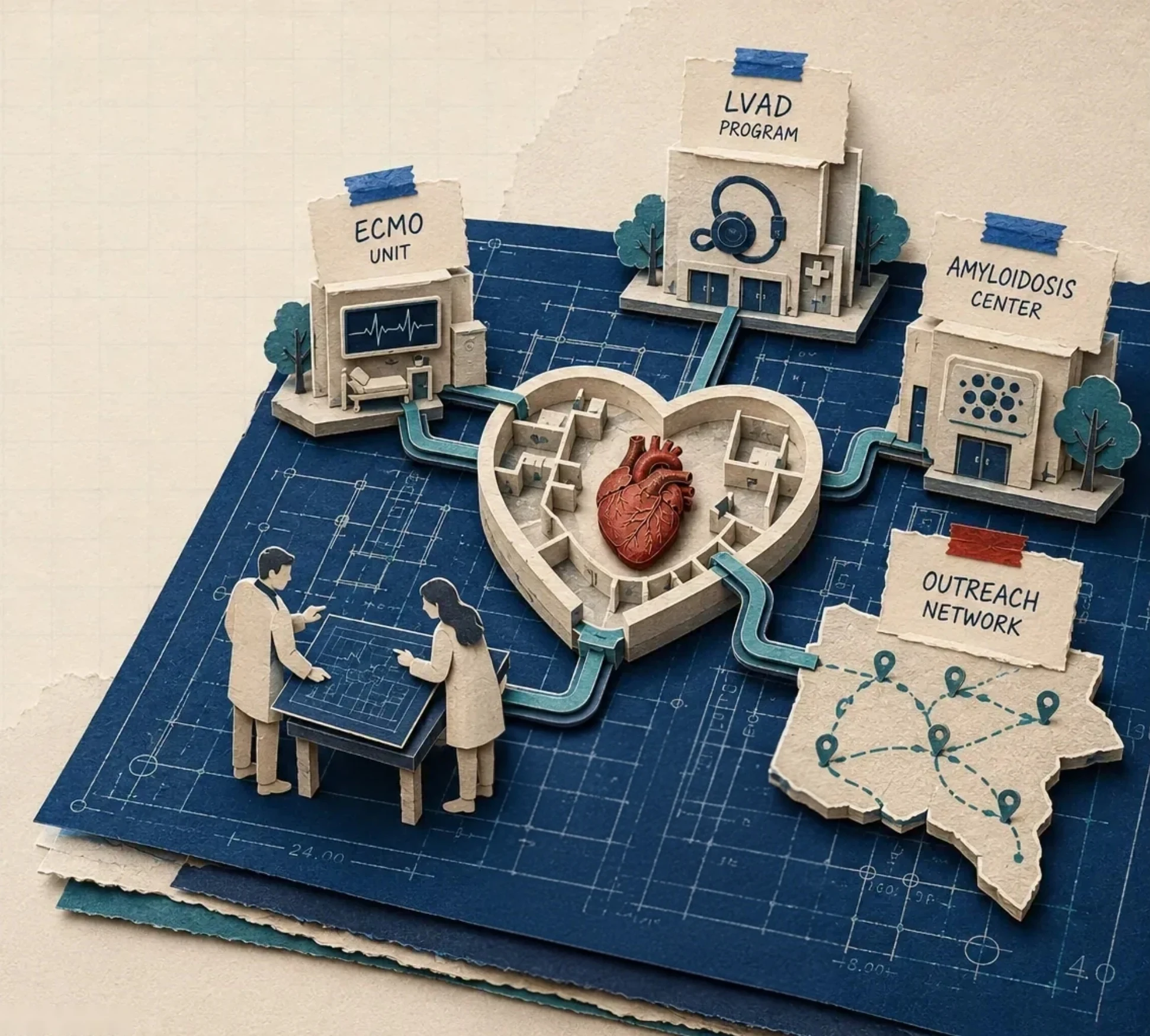

Bring the talk to your meeting, or the plan to your program.
Dates fill early in conference season. Say the event and the audience, and I will answer with topics and formats.