
Six hours is not hustle, it is damage
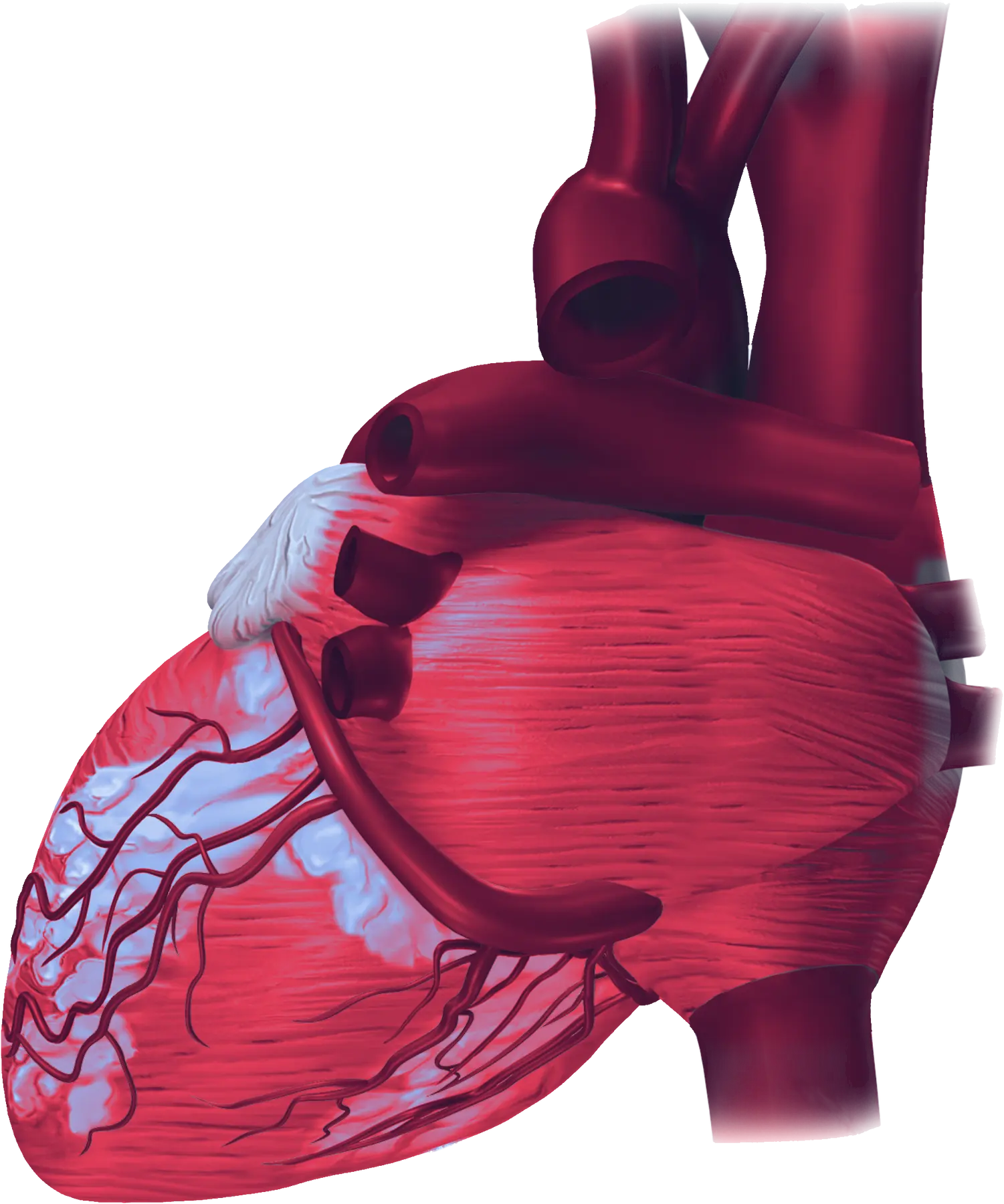
Chronic short sleep is not a productivity flex; it is a cardiovascular exposure with real heart failure and stroke risk attached.
48%higher coronary heart disease risk tied to chronic short sleepMeta-analysis of 15 studies, European Heart Journal
Illustration: BruceBlaus / Blausen Medical, CC BY-SA 3.0 (adapted).
The seventh hour: adults should sleep seven or more.
Somewhere along the way, six hours a night became a badge. People mention it the way they might mention a marathon, as proof of discipline. I want to be direct with you. From a cardiovascular standpoint, chronically sleeping six hours is not an achievement. It is an exposure, in the same sense that untreated blood pressure is an exposure. The damage is quiet, it is cumulative, and it does not care how productive you were.
In 2015 the American Academy of Sleep Medicine and the Sleep Research Society worked through the evidence and landed on a plain recommendation: adults should sleep seven or more hours per night on a regular basis. They were explicit that regularly sleeping less than seven hours is associated with hypertension, heart disease and stroke, along with diabetes, weight gain and increased risk of death.1 That is not a wellness slogan. It is a consensus reading of the evidence.
Six hours often cuts the night off before its longest REM period arrives.
Schematic, not a recording. The marker at seven hours is the recommended minimum from the lesson.
What the heart data actually shows
A meta-analysis in the European Heart Journal pooled fifteen studies following roughly 475,000 adults. People who reported short sleep had a substantially higher risk of developing or dying from coronary heart disease, on the order of 48 percent higher.higher risk48%2 Two caveats belong with that number. What counted as short varied between the studies rather than sitting neatly at six hours, and the same analysis found higher risk among long sleepers too, so this is not a case of more always being better. The association with stroke pointed in the same direction but was weaker and less statistically certain, which is worth saying plainly rather than rounding up.
Heart failure is my daily work, so a 2021 Circulation analysis of more than 408,000 UK Biobank participants sits close to home. The investigators scored five features of sleep: whether a person was an early or late type, how long they slept, insomnia, snoring and daytime sleepiness. Sleeping seven to eight hours a night was one of the components tied to lower risk of new heart failure. Participants who met all five markers had roughly 40 percent lower risk of developing heart failure than those who met almost none.lower risk40%3
Your heart does not know you had a deadline. It only knows how many hours it spent off duty.
The mechanism is not mysterious
Blood pressure is meant to fall overnight. The American Heart Association's 2025 scientific statement on sleep health describes how poor sleep blunts that nightly decline and travels with inflammation, glucose intolerance, unfavorable lipid levels and higher blood pressure.4 Those are not separate problems. They are the ordinary machinery of cardiovascular disease, given more hours per year to run. The same statement makes a second point I would underline: duration is only one dimension. Regularity, timing and quality carry weight too. Seven hours scattered across wildly different windows is not the same as seven consistent ones.
One short night is unlikely to matter. The concern is the pattern held for years and defended as a personality trait. If you are consistently under seven hours, or you sleep long enough and still wake unrefreshed, or someone tells you that you snore and stop breathing, that belongs in a conversation with your own physician. Untreated sleep apnea is common in people with heart disease, and it is treatable. Take the specifics to the clinician who knows your chart. What I can tell you is that protecting sleep is cardiac care, not self-indulgence.
References
- Watson NF, Badr MS, Belenky G, et al. Recommended Amount of Sleep for a Healthy Adult: A Joint Consensus Statement of the American Academy of Sleep Medicine and Sleep Research Society. Journal of Clinical Sleep Medicine, 2015;11(6):591-592. Read the source
- Cappuccio FP, Cooper D, D'Elia L, Strazzullo P, Miller MA. Sleep duration predicts cardiovascular outcomes: a systematic review and meta-analysis of prospective studies. European Heart Journal, 2011;32(12):1484-1492. Read the source
- Li X, Xue Q, Wang M, Zhou T, Ma H, Heianza Y, Qi L. Adherence to a Healthy Sleep Pattern and Incident Heart Failure: A Prospective Study of 408 802 UK Biobank Participants. Circulation, 2021;143(1):97-99. Read the source
- St-Onge MP, et al. Multidimensional Sleep Health: Definitions and Implications for Cardiometabolic Health: A Scientific Statement From the American Heart Association. Circulation: Cardiovascular Quality and Outcomes, 2025;18(5):e000139. Read the source
Education, not medical advice.
Take any decision about your own heart with the clinician who knows your history.
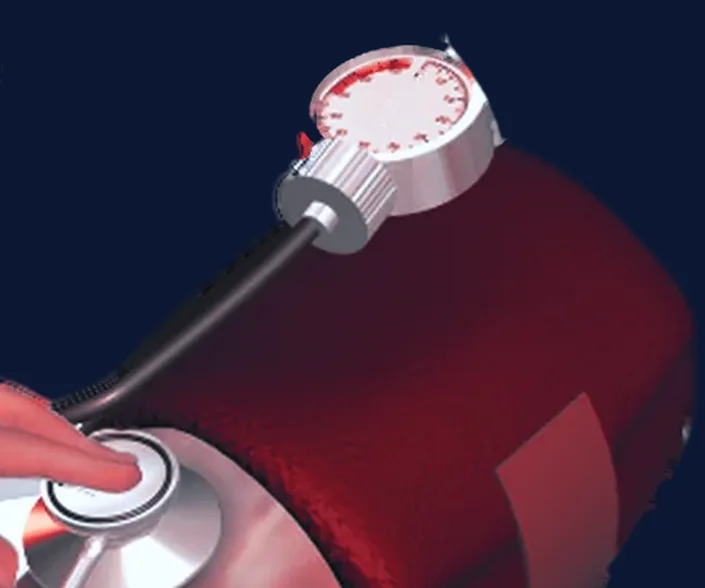
Illustration: BruceBlaus / Blausen Medical, CC BY-SA 4.0 (adapted).