
Slower breathing can calm the heart
A long, unhurried exhale gives the vagus nerve more room to work, and four, two, six is one simple way to use it.
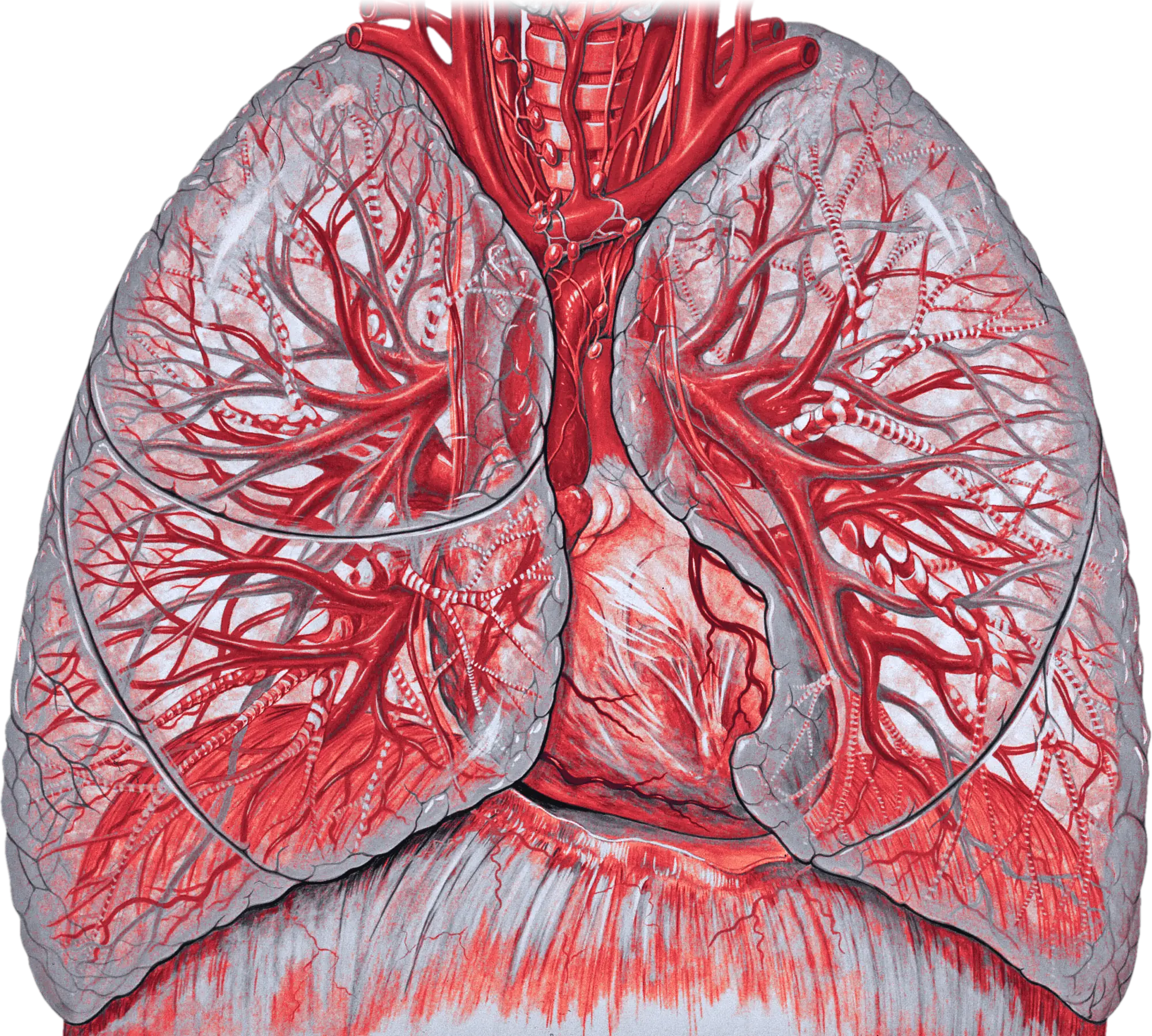
Illustration: Patrick J. Lynch and C. Carl Jaffe, MD, Yale University, CC BY 2.5 (adapted).
Inhale4 sHold2 sExhale6 s
Your heart rate is never quite steady. Even at rest it speeds up slightly when you breathe in and slows down again when you breathe out. That rise and fall is called respiratory sinus arrhythmia, and it is one of the clearest windows we have into the vagus nerve, the main line of the parasympathetic nervous system. The word arrhythmia sounds alarming here. It is not. In this setting it is a sign of a responsive system.
Because the pattern is tied to breathing, breathing gives you a handle on it. When you slow the breath toward five or six cycles a minute, the swings widen and measures of vagal tone rise. A 2022 systematic review and meta-analysis in Neuroscience and Biobehavioral Reviews pooled this literature and found a consistent increase in cardiac parasympathetic activity, both during slow breathing and in the period just after it.1
The exhale is doing most of the work
Rate is only half the story. Shape matters too. In a study in Applied Psychophysiology and Biofeedback, participants breathed at either six or twelve breaths a minute, with either a short inhale and a long exhale or the reverse. The long exhale condition produced more high-frequency heart rate variability, but only when the breathing was also slow. Those participants also reported feeling more relaxed and less stressed.2 A later study in Psychophysiology found the same direction of effect when the exhale-to-inhale ratio was raised without changing the overall breathing rate.3
This fits the physiology. Vagal traffic to the sinus node is suppressed during inspiration and released during expiration. Lengthening the out-breath gives that braking signal more time to act.
The long exhale is not a trick. It is the part of the breath where the vagus nerve gets its turn.
Four, two, six
Here is one way to use it. Breathe in through the nose for a count of four. Hold gently for two. Breathe out through slightly pursed lips for a count of six. That is a twelve-second cycle, five breaths a minute, and the exhale runs half again as long as the inhale. Five minutes is enough. You can do it sitting at a desk and nobody will notice.
5breaths/min
Be clear about what this is. Within a few minutes most people notice their shoulders drop and their thinking loosen. It is not a treatment for heart failure, for an arrhythmia, or for hypertension on its own. The American Heart Association has reviewed device-guided slow breathing as a blood pressure intervention and considers it reasonable alongside standard care, not instead of it.4 I would place the free, unequipped version in the same place.
If it makes you lightheaded, stop and breathe normally. And if you are managing a heart condition or taking blood pressure medication, treat this as something you add to your plan rather than something you substitute for it, and mention it to the clinician who knows your case.
References
- Laborde S, Allen MS, Borges U, Dosseville F, Hosang TJ, Iskra M, Mosley E, Salvotti C, Spolverato L, Zammit N, Javelle F. Effects of voluntary slow breathing on heart rate and heart rate variability: A systematic review and a meta-analysis. Neuroscience and Biobehavioral Reviews, 2022;138:104711. Read the source
- Van Diest I, Verstappen K, Aubert AE, Widjaja D, Vansteenwegen D, Vlemincx E. Inhalation/Exhalation Ratio Modulates the Effect of Slow Breathing on Heart Rate Variability and Relaxation. Applied Psychophysiology and Biofeedback, 2014;39(3-4):171-180. Read the source
- Bae D, Matthews JJL, Chen JJ, Mah L. Increased exhalation to inhalation ratio during breathing enhances high-frequency heart rate variability in healthy adults. Psychophysiology, 2021;58(11):e13905. Read the source
- Brook RD, Appel LJ, Rubenfire M, et al. Beyond Medications and Diet: Alternative Approaches to Lowering Blood Pressure. A Scientific Statement From the American Heart Association. Hypertension, 2013;61(6):1360-1383. Read the source
Education, not medical advice.
Take any decision about your own heart with the clinician who knows your history.
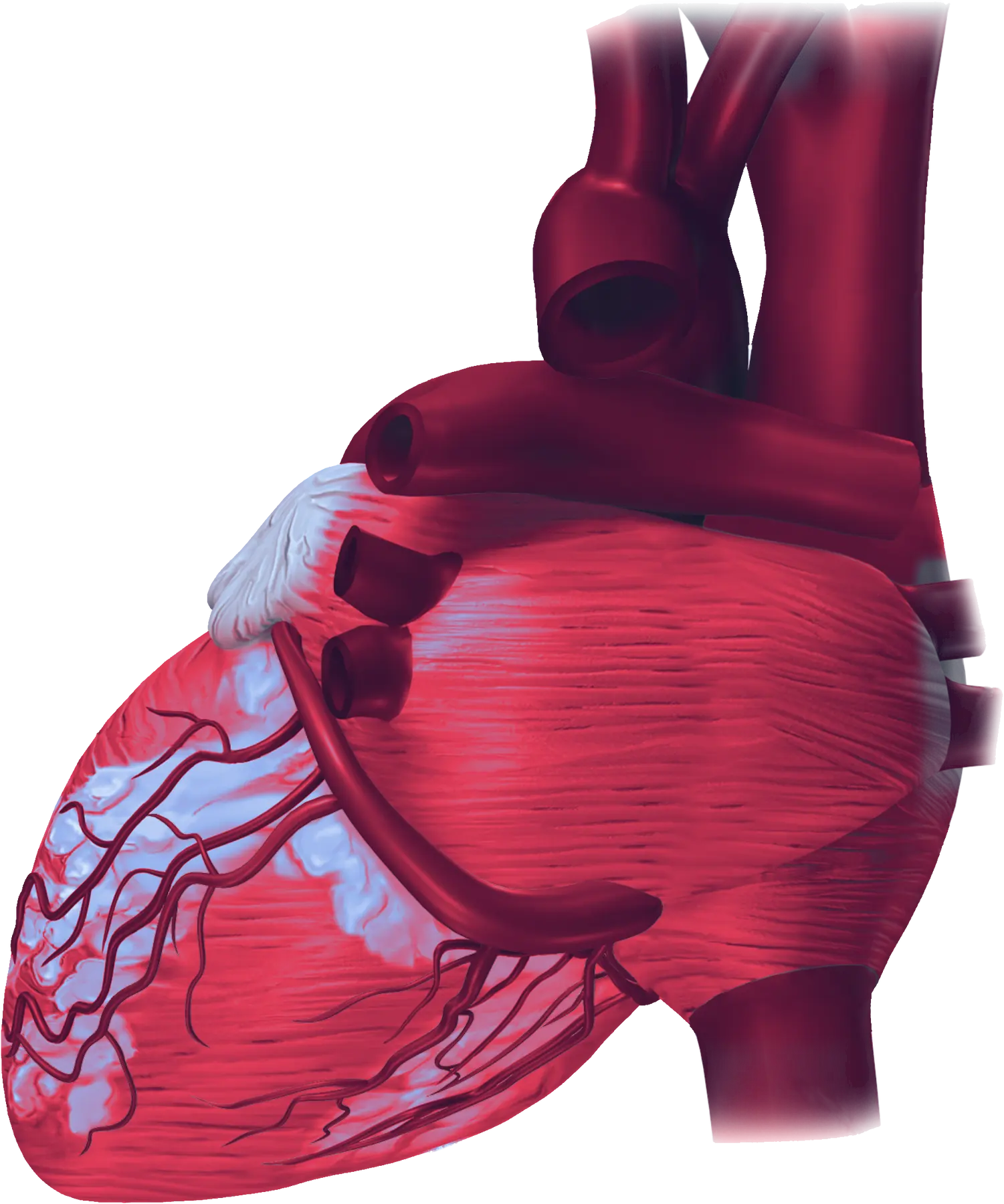
Illustration: BruceBlaus / Blausen Medical, CC BY-SA 3.0 (adapted).